

Is There a Vaccine for Lyme Disease? What to Know Before Summer Outdoor Activity
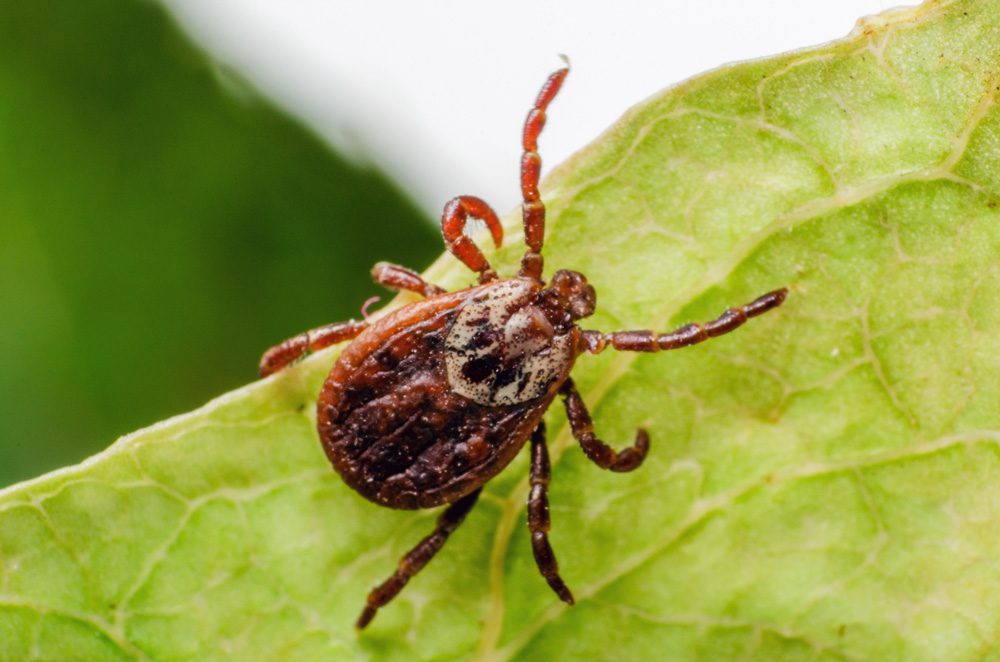
Is There a Vaccine for Lyme Disease?
The last time a vaccine was available to prevent or treat Lyme disease transmitted by ticks was 2002. Now, a new vaccine for prevention is in development, which is showing promising results in trials so far.
However, it is important not to rely on a vaccine as your only protection against tick-borne Lyme disease. In this article, our pest control experts tell you the types of ticks in Alabama, which ones can give you Lyme disease, how they can transmit infections (not just Lyme disease) via bite, and why other prevention methods are still essential to keep you and your family safe from tick bites.
What Is Lyme Disease?
Lyme disease is a very serious systemic infection, meaning it spreads through the bloodstream and can harm the entire body (not just one organ or body system, or the bite site). It can cause a range of impactful short-term symptoms (e.g, facial paralysis, AKA Bell’s Palsy) and long-term complications (potentially life-threatening heart problems), with varying severity depending on the stage of infection, of which there are three.
Oral and IV antibiotics are the only proven treatments for Lyme disease, and they are necessary for patients to recover. The antibiotics do not undo the damage caused by the infection; they only help prevent it from progressing to the next stage. Because the infection can affect any part of the body, even patients who are freed of the infection by antibiotics can suffer for years in the aftermath and require multiple expensive treatments to repair the damage.
Which Ticks Can Give You Lyme Disease?
Only two main types of ticks in the U.S. carry and transmit Lyme disease. They’re both of the “Blacklegged” (Ixodes) species, and you’re only going to find one of those in Alabama: Ixodes scapularis, better known as Blacklegged Ticks (or Deer Ticks).
Alabama is also home to the Lone Star Tick (Amblyomma americanum), an American dog tick (Dermacentor variabilis), a brown dog tick (Rhipicephalus sanguineus), and the Gulf Coast tick (Amblyomma maculatum)—and all of these are capable of infectious disease transmission, just not Lyme disease.
Let’s say a Lyme disease vaccine met FDA requirements, became available to the public, your doctor administered it to you, and, hypothetically, you were 100% protected against Lyme disease. You’d still want to take all possible precautions to prevent being bitten by a tick because Lyme is by no means the only damaging systemic infectious disease ticks can carry.
How Can Tick Bites Give You Lyme Disease?
A person can contract Lyme disease from an Ixodes scapularis (blacklegged tick) bite if the tick is infected with Borrelia burgdorferi bacteria.
Ticks, infected or not, are external parasites because they survive by attaching themself to a host and feeding on their blood. Infected ticks transmit the Borrelia burgdorferi bacteria to their hosts—which can be mammals, amphibians, or reptiles—by transferring the bacteria from their saliva to their host’s bloodstream while attached and feeding on them.
That’s right—humans aren’t the only ones at risk. Your pets, service animals, and even livestock can contract Lyme disease from tick bites. Whether they live or frequently spend time outdoors, or you’re bringing them camping or hiking in dense wooded or high-grass areas, you have to ensure that both you and your animals are protected with effective preventative measures, especially during tick season (late spring to the end of fall).
Still, don’t assume that the prevention methods that are safe for you are safe for them. Always consult a vet for pet-safe tick prevention methods.
How Can I Prevent Tick Bites?
- Apply EPA-registered tick repellents containing DEET, picaridin, IR3535, para-menthane-diol (PMD), or 2-undecanone to exposed skin and clothing as directed.
- Wear clothing and gear treated with permethrin at 0.5%. You can treat clothes and gear you already have or buy them pre-treated.
- Wear high-coverage clothing outdoors, including long sleeves, long pants, and closed-toe shoes. Light-colored clothing can also make ticks easier to spot.
- Avoid walking through dense brush, leaf litter, and tall grass whenever possible. Stick to cleared trails when hiking.
- Check yourself and your family for ticks after spending time outdoors, especially in wooded or overgrown areas. Here’s our guide to checking for ticks.
- Take a shower ASAP after spending time outside to help wash off any loose ticks and make it easier to check your skin thoroughly for attached ones.
- Keep your lawn trimmed and remove excess brush or leaf piles around your property to reduce tick habitats.
What if I Find a Tick on Me?
Don’t panic. Do this instead.
It is widely accepted that ticks infected with disease-causing pathogens must be attached to the skin for over 24 hours to transmit infection to their host. Timing and proper removal are critical; if an attached tick is removed improperly or too late, you don’t eliminate the risk of disease transmission. Our past blog post on ticks explains the right way to check your body for them and remove them effectively.
If you get a tick bite, we recommend calling your doctor and getting tested for tick-borne diseases, including Lyme disease, just in case you need treatment. “Better safe than sorry” is a piece of advice that has transcended time, generations, and contexts for a reason, and it definitely applies here. If you can also take a picture of the tick that bit you, it can help you and your doctor attempt to verify the species and narrow down which types of tests you’ll need.
It’s also key to have professional tick control implemented on your property, especially if you live near or in a wooded area.
Tick Control That Keeps Your Family Safe
If you’ve noticed there’s a tick problem on your property in central Alabama, call us at Vulcan Termite and Pest Control. Our crew can eliminate tick infestations and implement effective preventative measures to keep you and your entire family protected for the rest of tick season.