

Why Does Salt Kill Slugs? Snail Control Tips for Your Alabama Garden
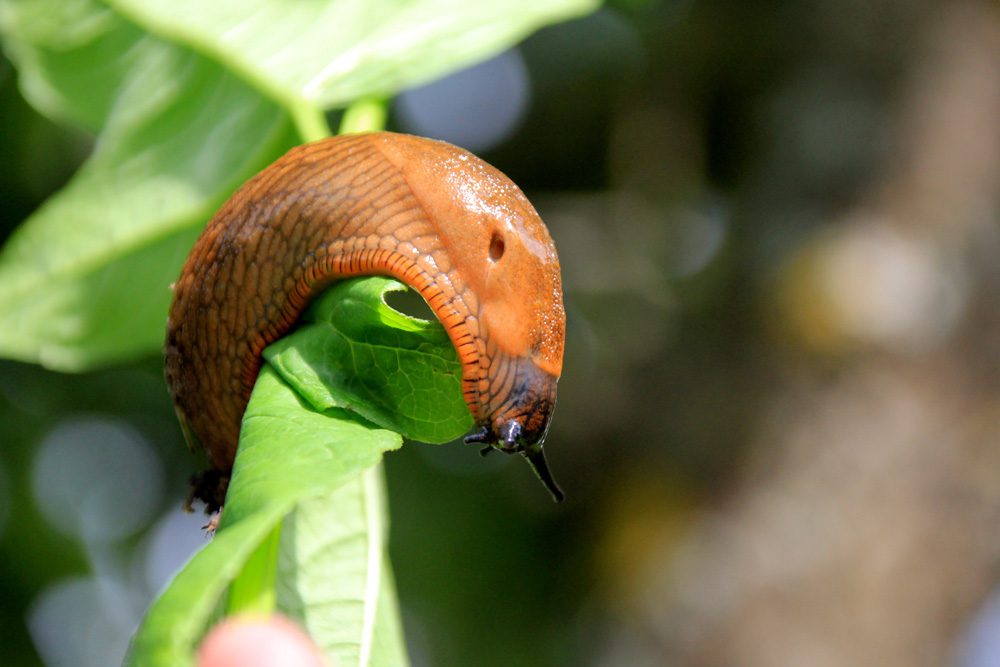
Whether you think slugs are cute or creepy, you have every right to wonder how their slimy presence might impact your garden. After all, when you’ve put tons of work into your garden, you want to ensure that you didn’t do it in vain.
In this blog, our pest experts discuss what slugs are (are they bugs?), how they impact your garden, and answer a common question about them: Why does salt kill slugs?
What Are Slugs? Are They Bugs?
No, slugs aren’t bugs; they’re not part of a specific order of insects known as “true bugs”—they’re not insects at all. Slugs (and snails) are actually gastropods, which are invertebrates like insects, but that’s where their similarities in the animal kingdom come to an end. Slugs are part of the Mollusca phylum, whereas insects are in the Arthropoda phylum.
Slug classification: Eukarya > Anamalia > Mollusca > Gastropoda
Insect classification: Eukarya > Anamalia > Arthropoda > Insecta
More specifically, garden slugs are a type of shell-less terrestrial gastropod mollusk. In other words, they don’t have shells, and they are land slugs (not to be confused with the wonderful marine invertebrates known as sea slugs).
Can Slugs Hurt My Garden?
Simply put: yes, slugs can destroy the plants in your garden.
Much like caterpillars, slugs have a big, destructive appetite for plant material of all kinds and can ruin months of hard work in the garden over the course of one night.
Slugs’ presence in your garden is never “beneficial.” A few slugs aren’t usually a big deal, at least at first. However, they reproduce quickly, and large numbers of them are what can ruin crops.
You especially want to get rid of slugs that aren’t native to your area, as invasive species disrupt the natural order of an ecosystem’s food chain and, as a result, threaten populations of native species.
Why Does Salt Kill Slugs?
Have you ever eaten a salty snack on a hot day and realized your water bottle was empty? Until you can get a refill, your mouth and tongue can feel incredibly dry because the salt pulls moisture away from the tissues in your mouth.
Salt affects slugs similarly. When a slug’s moist body comes in contact with salt, a process called osmosis pulls water out of its body. With enough salt exposure, the slug loses so much moisture that it eventually dehydrates and perishes.
Can Salt Protect My Garden From Slugs?
Yes, making a barrier around plant pots or garden beds can help repel slugs. Just don’t put salt on your plant or get it in the soil—that’ll kill the plants!
You can also purchase “slug bait” from your local garden store and place it in areas away from your plants to draw the slugs away.
Got Slug Problems?
We’re bug enthusiasts, but our pest control capabilities go beyond just insects. You can also count on us for help with small crustaceans, arachnids, small rodents, and even slugs and snails.
Whatever critter problems you’re facing, we’re here to solve them. Contact our experts at Vulcan Termite & Pest Control Inc. for a custom, integrated management plan of short- and long-term prevention solutions that eliminate harmful pests on your property, so they can’t interfere with your comfort, safety, or quality of life.
Give us a call at 205-663-4200 or contact us online. Our team has proudly served families in Alabama since 1965, and we would love to help you, too!