

Google Debug Project: Why Is Google Releasing “Good” Mosquitoes?
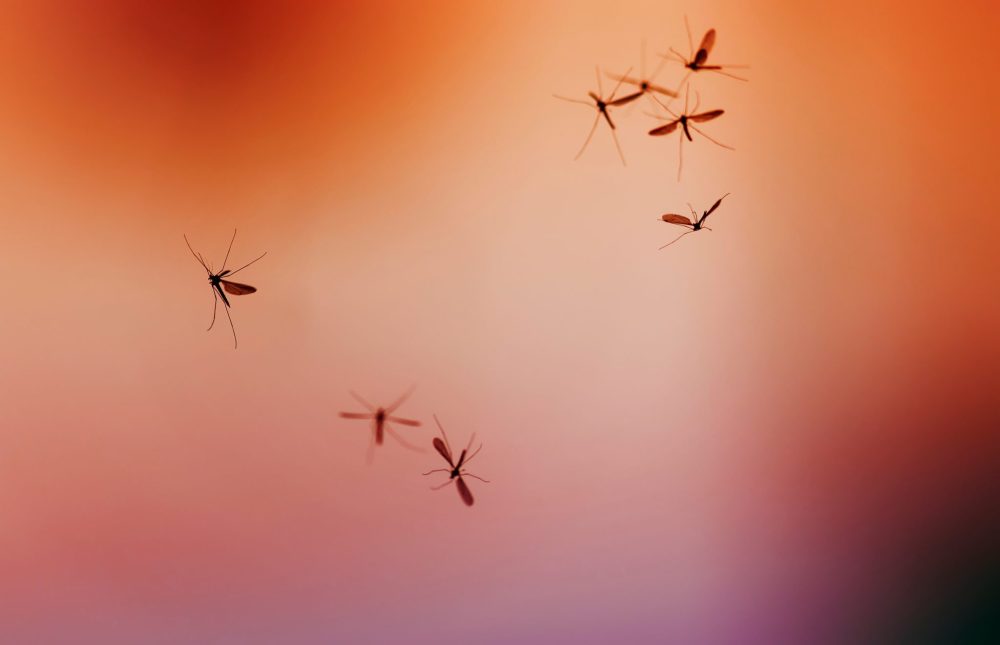
Many call mosquitoes the “world’s deadliest animal,” and they’re not being dramatic. It’s a fact.
Nearly 700 million people worldwide suffer, and over a million die, every single year from mosquito-borne disease (source). Just a few of these deadly diseases include malaria, Zika, West Nile, dengue, and yellow fever.
Have you ever wished that someone would just do something about it? We’re no fans of mosquitoes either, and we’ve thought the same thing. Theoretically, if it can be done without collapsing the food chain in natural habitats, we’re all for it.
That’s great and all, but you’re still left asking: Why hasn’t someone done anything to wipe them all out? Maybe someone in power, like a government official or a big company?
Enter Google: The Debug Project
Well, a very big company has decided to step in. Weirdly enough, that company is… Google.
In December 2024, Google took over the Debug project, which was first founded ten years ago by a subsidiary of Google’s parent company, Alphabet. The project aims to combat the prevalence of mosquito-borne diseases through biological control methods, building on the sterile insect technique (SIT).
How the Sterile Insect Technique (SIT) Works
This technique involves releasing a group of sterile insects to mate with those populating a region, so they mate without actually fertilizing any eggs, resulting in no offspring.
SIT has been around since the 1950s, in various forms, to thwart threats posed by all types of dangerous insects. The first was the New World screwworm, which, if not controlled, can wipe out cattle and other livestock.
Female mosquitoes only mate once before they die, so if one mates with a sterile male, she’s never going to have babies. With enough sterile males introduced to a wild mosquito population, their numbers dwindle quickly. Each new generation gets smaller and smaller, as long as there are enough sterile males to outnumber the fertile ones.
Wolbachia: The Key to Mosquito Control
So, where did Google get all of these sterile male mosquitoes? They’re sterilized by a bacterium called Wolbachia. In the past, other methods of SIT were tested on male mosquitoes, notably radiation exposure. However, the radiation weakened its subjects so much that they couldn’t mate. Biologists kept looking and testing other methods until they found that giving male mosquitoes Wolbachia sterilized them without sacrificing their desire and ability to mate.
Additionally, once females become infected with Wolbachia, it prevents them from contracting malaria, Zika, West Nile, dengue, and yellow fever when they bite people infected with these viruses. That’s how they start to carry these diseases in the first place—from infected persons’ blood.
Is Wolbachia Bacteria Safe for Humans?
You don’t have to worry about contracting Wolbachia from mosquitoes. It is a very common bacterium, one of the most common types that at least half of all insects carry, and you are constantly exposed to it through food and insect bites without any health risks.
Why Google’s Involvement Matters
The main reason a big company such as Google needs to be involved in this project is the funding and technology required to carry out this form of SIT. As we said earlier, there must be enough sterile males to outnumber the fertile ones and secure the majority of the females. Knowing how many sterile males need to be released is where it gets complicated.
The years of research and knowledge poured into the Debug project by its founders show that the necessary mosquito sex-sorting and targeted-release resources include sensors, data analysis, entomologist expertise (bug-focused biologists), lab automation, and more, and that labor and technology can get expensive. All of this is why Google is taking over.
The Road Ahead: Project Phases and Timeline
Google is seeking U.S. approval for two main phases of the project. The first phase would be a 2026 release of up to 16 million Wolbachia-sterilized male mosquitoes in mosquito-infested areas of California and Florida. Based on how that phase goes, if approved, they propose a second phase: releasing 16 million in infested regions of each US state in 2027.
Impact on Pest Control and the Environment
This plan’s implementation wouldn’t mean that general pest control and mosquito control companies would suffer. Mosquitoes would still exist in the U.S.—as we need them to, since the food chain depends on them, and many species are pollinators
After all, the Debug project targets only the most dangerous, disease-carrying mosquito species: Aedes aegypti, the primary culprit behind human infections with dengue, Zika, chikungunya, and yellow fever. Other mosquitoes won’t magically disappear.
Birmingham’s Pro-Debug Pest Control Experts
Thanks for reading this deep dive into the Google Debug project by Vulcan Termite and Pest Control. If you’re in the Birmingham metro area suffering a mosquito infestation or want your property to be completely mosquito-free, we’re here to help. Call (205) 663-4200 to schedule an inspection and our highly effective mosquito control services.