

The Difference Between Destructive and Nuisance Pests + Causes, Signs, and Solutions of Their Infestations
The Difference Between Destructive and Nuisance Pests + Pest Infestation Causes, Signs, and Solutions
Want to know the difference between a “destructive” pest and a “nuisance” pest? You’ve come to the right place. We cover this topic in great detail in this blog (the one you’re already reading), including what constitutes infestations for both types of pests, signs to look out for, prevention methods, and actions to take once an infestation occurs on your property.
What’s a Destructive Pest? / What are Destructive Pests?
A destructive pest is an insect or animal that is on your property when it shouldn’t be (i.e., it’s not a pet), and its presence means that it will be creating costly damage.
Many types of destructive pests cause different types of damage:
- Rodents such as squirrels can chew wires, causing electrical or lighting malfunctions in the home and even starting house fires.
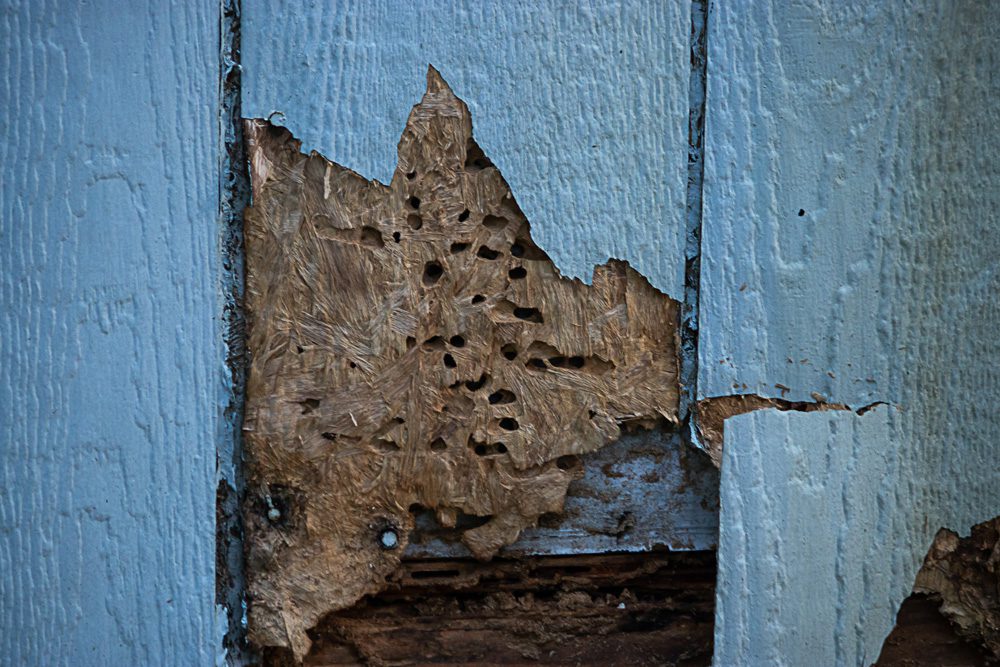
- Carpenter Bees and termites can tunnel through wood while consuming it, weakening or completely eradicating wooden structures (furniture, walls, or really anything made of wood).
- Moth, butterfly, and carpet beetle larvae can chew through and leave holes in fabrics made of organic materials such as wool, fur, hair, or silk.
- Spicebugs and booklice, as their names imply, can infest your spices, books, and other organic material products, not only consuming them but also contaminating them.
- Spider mites, aphids, and scale insects will chew through and harm houseplants.
Those listed above are just a few examples of the numerous destructive pests that exist.
What’s a Nuisance Pest? / What are Nuisance Pests?
Nuisance pests are a lot like younger siblings—annoying, unsanitary, and prone to invading your space despite being unwelcome.
Pests in this category are “nuisances” instead of “destructive” because they don’t cause a lot of inherent property damage when they invade your home. However, they can harm you, your family, and your pets, so they shouldn’t be in your home. Like any wild animal, nuisance pests can often be messy and carry parasites, viruses, and disease-causing pathogens. They can contaminate whatever they touch in your home with these pathogens, putting you at risk of exposure.
Your risk of exposure to these contaminants increases when there is a pest infestation in your home.
Examples of Nuisance Pests:
- Cockroaches
- Spiders
- Mosquitoes
- Some small rodents (although they can sometimes veer into destructive pest territory and break/damage your property if there’s an infestation or if they chew wires/other property)
- Ants
- Gnats/Flies
- Ticks
Destructive and Nuisance Pest Infestations
What Is a Pest Infestation?
A pest infestation involves a population of more than one of the same kind of pest that has settled in and is living (nesting, eating, reproducing, resting, excreting waste, etc.) in a space they don’t belong in, which would be anywhere in your home or on your property.
This definition of infestation applies to all kinds of pests, whether they are primarily a nuisance or extremely destructive.
Causes of a Pest Infestation
- Accessibility through entry points
- Availability of water (i.e., leaky plumbing, HVAC leaks, spills)
- Availability of sustenance (crumbs in the kitchen, improperly stored/left out food, unvacuumed carpets)
- Strong odors that attract pests (neglected/unclean bathroom, full or overflowing trash cans)
- Availability of dark, warm hiding spots
- Inclement conditions outdoors that require the pests to seek indoor shelter
Signs of a Pest Infestation
From Any Kind of Pests
- Sightings of one or more of the pests themselves (especially if they are nocturnal, as they will avoid getting near you as much as possible)
- Droppings/frass/other bodily waste excretions
- A collection of organic-based material (e.g., straw/hay/grass, hair/wool/fur, paper, dirt piles, etc.) that may be a nest
- Food scraps and water droplets
- Presence of eggs, larvae, or pups
- Scratch or bite marks
- An abundance of webs
From Destructive Pests
- Holes or other signs of forced entry in structures or different areas (the ground outdoors, in your shed, your home’s walls, siding, floors, boxes, curtains, furniture, bed sheets, clothes, etc.).
- Holes where material was consumed or gnawed on
- Splintered, chewed, or otherwise damaged wood
- Termite tunnels
- Sawdust
- Chewed-through wires, food packaging, etc.
Solving Pest Infestations
You can do a lot on your own to prevent a pest infestation, like having a pest control agent spray around your home, regularly doing chores to keep things clean (sweeping, mopping, taking out the trash, wiping down counter tops and tables after every meal, etc.), having a plumber inspect for and repair leaks, storing food in air-tight containers, and using caulk or expanding spray insulation foam to seal up any cracks or gaps that could be potential entry points for pests.
However, once you have a pest infestation in your home, you can’t get rid of it on your own for good without professional help. A pest control expert can conduct the rigorous infestation extermination you’ll need with powerful, relatively expensive, professional-grade bug-killing chemicals and equipment that you can’t buy in stores. Although you’ll be safe to return home shortly after these chemicals have done their job, they are extremely hazardous to handle and require both the equipment we mentioned and extensive training. Not only can the chemicals hurt you, but the contaminants from the infestation can also hurt you, and cleaning that up for you is part of any great pest control agent’s process.
Birmingham’s Best Team for All Kinds of Pest Infestations
If you’re facing a pest problem of any capacity in Central Alabama, Vulcan Termite and Pest Control is the right team for the job. With over forty years of experience serving the people of Birmingham with our customized pest solutions, we’re willing to go the extra mile to solve all your pest problems, including major infestations.
To request help with any pest, from household insects to rodents, simply call us at (205) 663-4200 or contact us online, and we’ll be happy to provide a free estimate of the services you need and schedule them for ASAP.