

Tropomyosin Allergy Causes: What Roaches Have in Common with Dust Mites and Shellfish
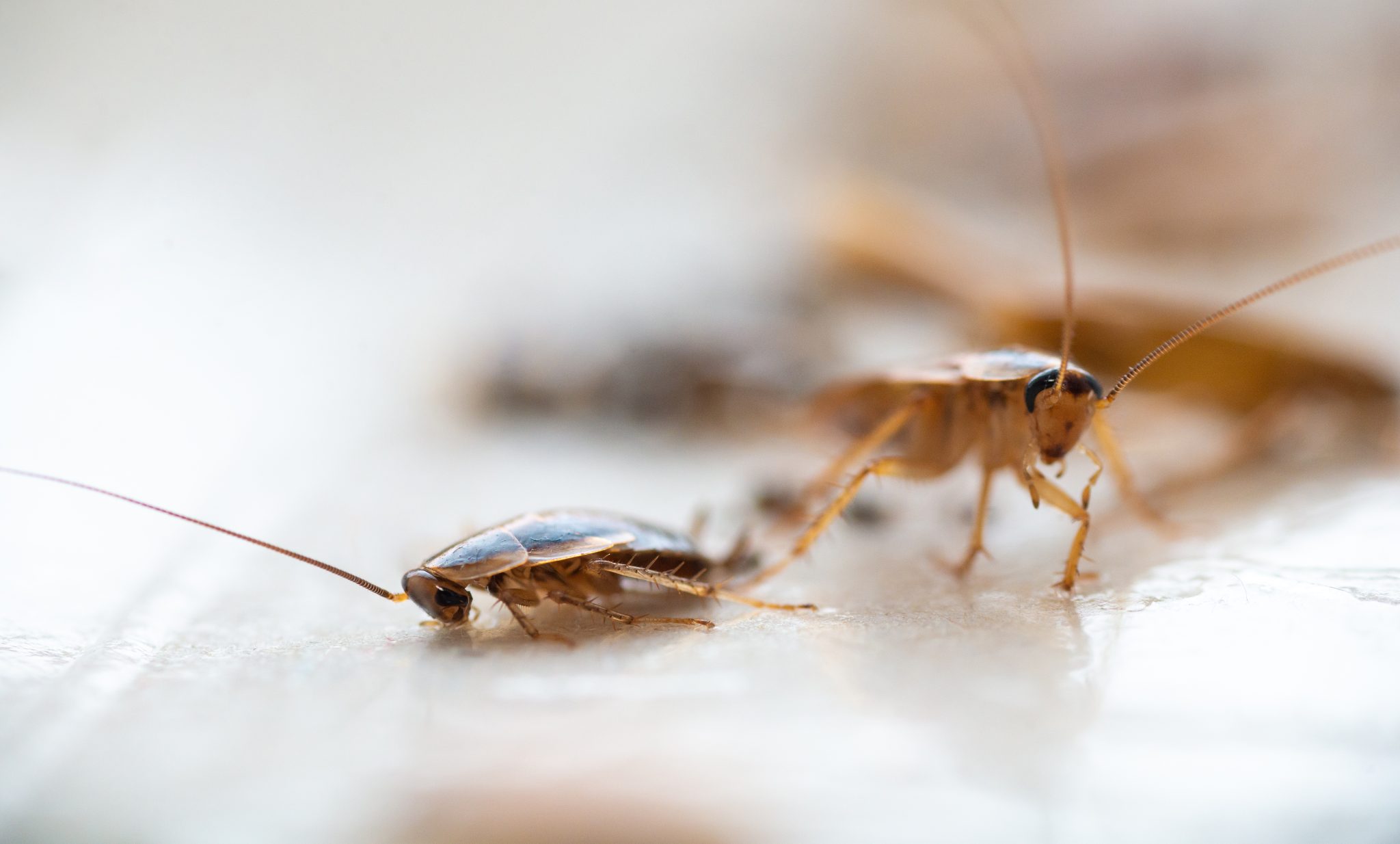
They say that people who have dust mite and shellfish allergies may also be allergic to roaches. And by “they,” we mean people on social media over the past couple of years.
But is this fact or fiction?
In this blog, our pest control experts are here to uncover the truth and discuss the supposed culprit: “tropomyosin allergies.”
Quick Answer: Are People with Shellfish and Dust Mite Allergies also Allergic to Roaches?
If you want a quick answer, here it is: According to available research on the topic, many people with shellfish and/or dust mite allergies are also sensitive and have allergic and asthmatic reactions to cockroach exposure.
Keep reading the following sections for more detailed information on:
- Tropomyosin allergies: the factor that could make someone allergic to shellfish and dust mites, which could also make them allergic to cockroach exposure.
- What allergy and asthma-inducing “cockroach exposure” entails.
- What to do to minimize potential exposure to cockroach allergens.
What Are Tropomyosin Allergies?
Tropomyosin is a protein that naturally exists in the bodies of many animals—including dust mites, shellfish, and cockroaches—to assist with various bodily functions. Exposure to this protein causes allergic reactions in people.
This type of allergy is similar to the kind that occurs with cat allergies, which are most commonly caused by exposure to the Fel d 1 protein that is naturally present in the oils cats’ skin produces; it’s a specific protein allergy!
What Counts as “Cockroach Exposure” That Can Cause Allergic and Asthmatic Reactions?
As we briefly explain in this article, people are exposed to the reaction-causing tropomyosin from cockroaches when they inhale its small particles that have become “aerosolized,” or airborne.
Tropomyosin particles are present in cockroaches’ bodily fluids—such as their frass (the term for insect poop), enzyme-rich saliva, or their carcases, which retain residual traces of these fluids—molted exoskeletons, and other body parts. The microscopic, lightweight tropomyosin particles become airborne in different ways, mainly when they degrade (naturally break down over time) or when movement kicks them into the air.
In other words:
- Cockroaches leave traces of the allergenic tropomyosin protein wherever they go (especially if they die, poop, or molt there).
- Because tropomyosin is a lightweight particle, it can quickly become airborne.
- If someone with a tropomyosin allergy or asthmatic sensitivity inhales airborne tropomyosin particles, they are likely to trigger a reaction and asthma.
How to Prevent Cockroach Allergen (Tropomyosin) Exposure
Preventing exposure of allergic and asthmatic individuals to tropomyosin (cockroach allergen) is relatively straightforward. Essentially, you need to:
Rid your home of any presence of cockroaches, living or dead.
Cockroach infestations are difficult to eliminate with DIY or store-bought solutions. Once you think you’ve finally gotten rid of them with traps and sprays, more might pop up later because all along they remained out of sight. They could have been living quietly, reproducing, and laying eggs behind walls, in drains, between baseboards, right outside, or (if you live in an apartment) potentially over at your neighbors’ place.
We recommend professional pest control because pest pros will check all of these areas and can access them to apply targeted treatments.
Get rid of or contain whatever attracted cockroaches to your home (or, at least, whatever let them survive once they got inside).
Cockroaches are survivors; all they need is some sort of organic material—anything from human food to human bodily waste—to eat, some water, and a nice place to hide out of sight when the lights are on (they’re nocturnal).
These unwanted insects could’ve just come into your home because they were avoiding hot or cold outdoor weather or because the scent of something in your home drew them in. Either way, if there’s something they can eat and drink, they’ll stick around.
Things that can attract/keep cockroaches around include problems with smaller insects that are cockroach prey, dirt and grime, overflowing trash or a dirty trash can, food crumbs on floors and surfaces, leaky plumbing, nests in drains or elsewhere, and improperly stored food. Clean these areas up, and roaches will have a harder time sticking around (especially when you also have some insecticides or other cockroach-killing measures in place).
Physically bar cockroaches out by blocking entry points.
Along with minimizing the things in your home that cockroaches want, it’s also important to physically bar them from re-entering from outside or elsewhere as much as possible. You can accomplish this by sealing any small cracks or holes you find around doors, baseboards, behind appliances, between fixtures, etc., with caulk, expanding insulation foam, or weatherstripping.
Once they’re clean and blocked off, you can also line these areas with diatomaceous earth or another insecticide, just in case cockroaches slip through tiny cracks (even as adults, they are surprisingly limber and can fit through seemingly impossible spaces).
Also, using a stopper on your drains (sinks, bathtubs, garbage disposals, etc.) whenever they’re not in use can help block roaches from crawling through your plumbing system while you’re still working on getting them out.
Clean up any evidence of cockroaches’ presence.
Remove any remnants that cockroaches may have left behind in your home, including cleaning surfaces they have crawled on, picking up stray legs or broken-off body parts, carcasses, and body fluids such as frass (feces) or hemolymph. These materials contain tropomyosin, which can trigger allergies.
If you have or had a cockroach infestation, you may need to do a thorough cleanout more than once, in case any tropomyosin remains after the first cleaning.
By “clean up,” we mean you should wipe up and dispose of any debris cockroaches left behind, then thoroughly sanitize any surfaces the debris was on.
Get an air purifier.
Aeroallergens like tropomyosin can linger in the air for a while, so get an air purifier to filter out as much of it as possible, even when you’re certain there are no more roaches in your home.
We’ll Keep Your Home Cockroach (and Tropomyosin) Free
We know we’re not medical professionals; we’re pest control experts. However, one of our biggest priorities is keeping people safe in a pest-free home, and that certainly includes exterminating and deterring cockroaches to prevent allergens.
If you need professional cockroach control, you can trust the Vulcan Termite and Pest Control crew to handle it.
With 40+ years of experience kicking cockroaches out of homes, businesses, and other establishments in the area, the people of Birmingham and across central Alabama know they can rely on us to eradicate all traces of cockroaches and implement effective solutions to prevent them from returning. Contact us whenever you have a roach problem, and we’ll be there ASAP to quickly resolve it!
Thanks for reading today’s article from our pest blog! To learn more essential pest control and prevention tips or to discover all the incredible biodiversity Alabama has to offer, check back in here with us every week for fresh new content, or look at past posts to see all the useful pest and critter-related knowledge we’ve shared over the years.