

What Are Roly-Poly Bugs: Insects, or Something Else?
What Are Roly-Poly Bugs: Insects, or Something Else?
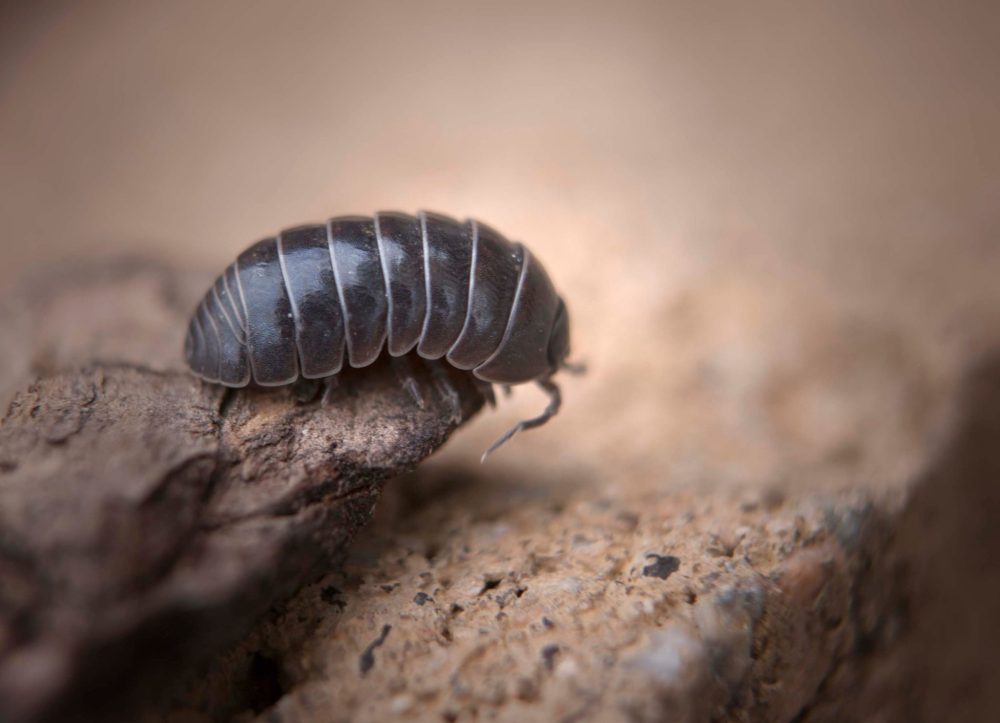
Roly-polies, also known as pillbugs, are adorable little critters that can curl up into a ball at a moment’s notice. Despite their name and nature as small invertebrates with a robust exoskeleton, roly-polies aren’t bugs or any kind of insect at all.
Now the question is: if they’re not insects, what are roly-poly bugs?
In this blog, Birmingham’s bug experts from Vulcan Termite and Pest Control provide the answer you seek, as well as advice on what to do if you find them on your property.
What Are Roly-Poly Bugs?
Isopods
Roly-polies are a small type of terrestrial (land-dwelling) crustacean known as an isopod. Crustaceans are arthropods, a larger classification that also includes insects and arachnids such as ticks and spiders.
All arthropods—including insects, arachnids, and crustaceans like roly-poly ispods—are invertebrates that possess a hardened exoskeleton, segmented bodies, and pairs of jointed appendages (i.e., antennae and/or legs). Every arthropod sheds old exoskeletons to reveal new ones as they grow, in a process known as “molting.”
Not Bugs at All
Although they have a bug-like appearance, roly-polies and other land-dwelling isopods technically aren’t bugs at all.
“True bugs” are insects from the order Hemiptera that have an incomplete metamorphosis life cycle, “half wings” (hardened forewings with leathery bases and membranous, semi-translucent tips), and v-shaped bodies.
Furthermore, roly-polies and other isopods differ from all insects in a couple of ways:
| Roly-polies & Other Isopods | “True Bugs” & Other Insects |
| 14 legs (7 pairs) | 6 legs (3 pairs) |
| Two pairs of antennae | One pair of antennae |
| Breathe with gills that require moisture | Breathe air with tracheae |
Little Armadillos
This roly-poly variety of isopod has the scientific name Armadillidium vulgare. Check out that root prefix “Armadill,” doesn’t that remind you of an armadillo? That’s no coincidence; roly-poly isopods got their scientific name because they’re so reminiscent of armadillos, with their armored, segmented bodies that roll into a ball for protection.
Can Roly-Polies Harm People?
No! In fact, roly-polies do not bite, sting, have venom, or carry diseases, so they’re completely safe around people (including kids) and pets. Many people actually keep these little guys as pets.
If your kids are curious about roly-polies, you can let them gently play with them!
Can Roly-Polies Harm Plants?
For the most part, no. Roly-polies are mainly detritivores, so their diet primarily consists of decomposing organic material like dead and rotting leaves, fruits, veggies, fungi, and compost.
Occasionally, if there’s nothing else around, roly-polies will snack on soft plant seedlings, which can be considered “harmful to plants” because the seedlings they consume do not get to develop into full plants. However, that’s only if they have to, and they’re not going to harm your developed plants. If anything, their underground digging behavior aerates the soil, which plants need to be healthy.
What if There Are Too Many Roly-Polies On My Property?
It is unlikely that you would have an “infestation” of roly-polies, but let’s say you did. In that case, you can contact our experts at Vulcan Termite & Pest Control Inc. to create a custom, integrated management plan that reduces their numbers on your property without completely decimating the population. You’ll want some to stick around to keep your soil healthy and clean up excess decaying matter.
If any small wild arthropod (arachnid, crustacean, insect, or otherwise) is interfering with your comfort, safety, or quality of life, give us a call at 205-663-4200 or contact us online. We can safely eliminate harmful pests and implement short- and long-term prevention solutions. Our team has proudly served families in Alabama since 1965, and we would love to help you, too!