

What Happens After a Lone Star Tick Bite? Diseases, Allergies & Next Steps
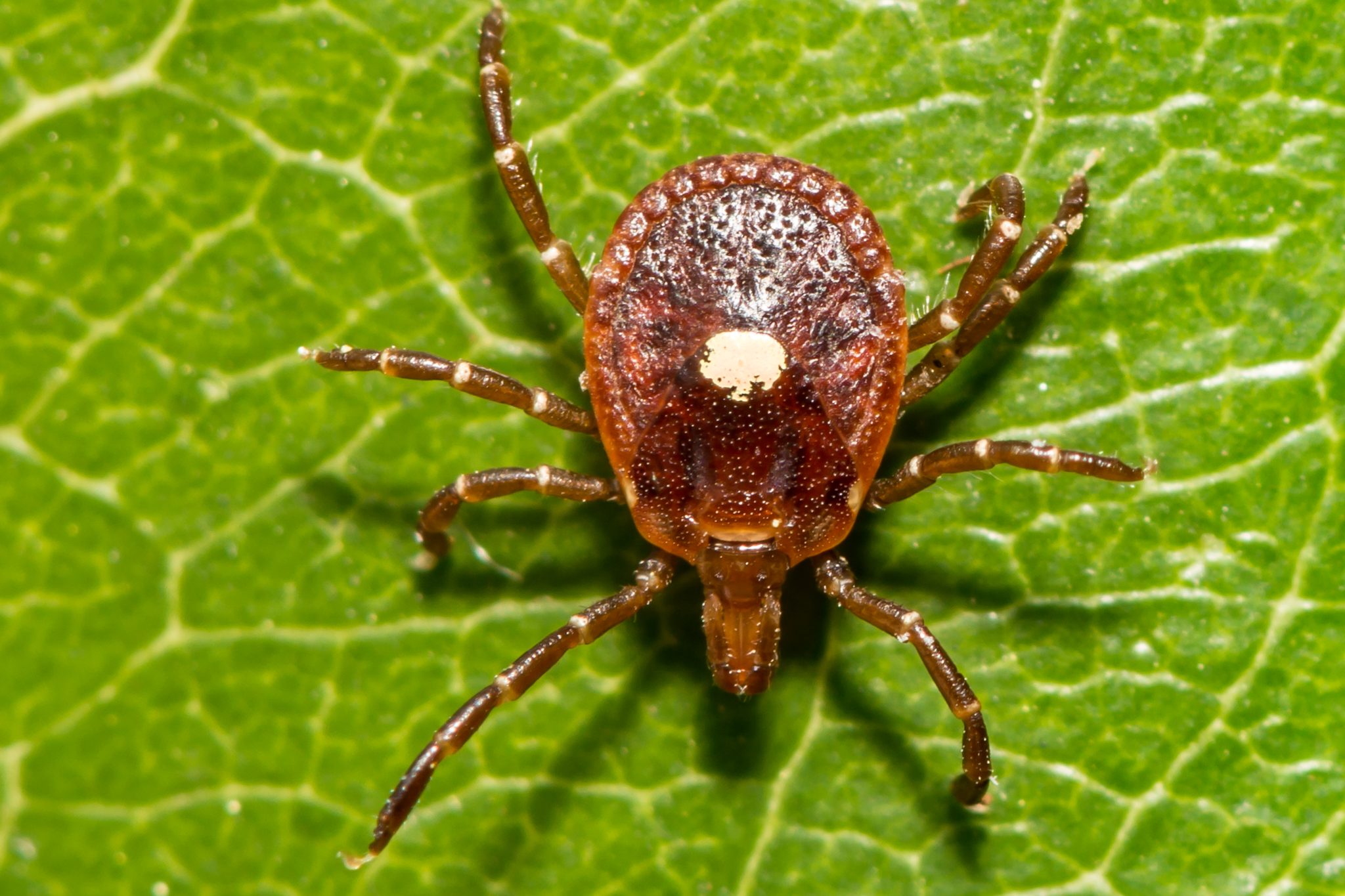
Finding a tick attached to your skin is unsettling. Discovering later that the species of the particular tick that bit you is known for carrying and transmitting infections to the people they bite, which can give you diseases and even allergies to dairy, red meat, and gelatin? That can make a Lone Star tick bite feel downright disturbing—particularly here in the Southeast, where Lone Star ticks are common. The Lone Star tick is actually the most prevalent type of tick found in Alabama.
A bite does not automatically mean you will get sick. Knowing what the tick can transmit, what symptoms to watch for, and what to do after removal can help you respond appropriately. Here’s what our Vulcan Termite & Pest Control team wants Alabama homeowners and their families to know.
What Can a Lone Star Tick Bite Cause?
Lone star ticks are associated with several illnesses, including ehrlichiosis, tularemia, Heartland virus disease, Bourbon virus disease, and Southern Tick-Associated Rash Illness (STARI). But the one it’s most notorious for is alpha-gal syndrome. Unlike black-legged ticks, Lone Star ticks are not considered vectors for Lyme disease.
Symptoms vary depending on the illness, but fatigue, fever and chills, muscle aches, skin rash (at the bite site or elsewhere), headache, and digestive problems are among the possibilities. Redness, itching, and swelling around the bite site can also happen without infection, so the appearance of the bite alone cannot tell you whether you are sick.
Lone Star Ticks and Alpha Gal Syndrome
The most infamous negative health effect of Lone Star tick bites is alpha-gal syndrome.
In this section, we’ll answer these questions about alpha-gal syndrome and Lone Star ticks:
- What is alpha-gal syndrome?
- What is the alpha-gal sugar molecule?
- What foods contain alpha-gal sugar?
- What are the symptoms of alpha-gal syndrome?
- How does a Lone Star tick bite cause alpha-gal syndrome?
- How does alpha-gal syndrome cause the allergy to red meat and other animal products?
- Who is at risk of developing alpha-gal syndrome from a Lone Star tick bite?
- How do I know if I have alpha-gal syndrome?
What is alpha-gal syndrome?
The name “alpha-gal” has nothing to do with strong, independent women leading society, though that would be a lot cooler and less dire.
Alpha-gal syndrome occurs when a person’s immune system has become sensitized to the alpha-gal sugar molecule, so they have allergic reactions when they eat foods containing it.
What is the alpha-gal sugar molecule?
The syndrome is named after a sugar molecule that is very much related to it. The sugar is galactose-alpha-1,3-galactose, but it’s much easier to just say “alpha gal.”
Alpha-gal is naturally occurring in the cells, and things made up of them (blood, tissues, organs, etc.), in the bodies of most mammals. The only mammals in which this sugar does NOT naturally occur are humans and other primates.
That means alpha-gal sugar is in the blood of:
- Mammals that people often eat the meat and other byproducts from, including cows, pigs, deer, lambs/sheep, and bison.
- Mammals that we don’t eat but instead keep as pets, like cats, dogs, and horses.
- Mammals that we don’t eat, but are common pests, like rodents.
What foods contain alpha-gal sugar?
As far as food goes, alpha-gal sugar molecules are in dairy products, gelatin (in most chewy candies and chewing gum, marshmallows, and pudding), and red meat.
Eggs, poultry (chicken, turkey, quail, duck, etc.), shellfish, fish, fruits, and vegetables are alpha-gal free.
What are the symptoms of alpha-gal syndrome?
Unlike many food allergies and sensitivities, reactions to alpha-gal in red meat or other mammalian products are not always immediately obvious when the foods, or items cross-contaminated with them, are consumed—the symptoms can be delayed for several hours.
The delayed symptoms of this specific Lone Star tick bite-caused food sensitivity can include hives, swelling, stomach pain, diarrhea, nausea, wheezing, or a severe allergic reaction.
If you develop symptoms after eating red meat, the above-listed animal products, or other foods that may be cross-contaminated by them following a tick bite, talk with a healthcare provider as soon as you can.
How does a Lone Star tick bite cause alpha-gal syndrome?
So, unlike Lyme disease, alpha-gal syndrome is not a disease from a germ that ticks carry and pass on to you when they bite you. So you can’t just send a tick that bit you to a lab and get it tested for alpha-gal syndrome (like you often can for Lyme disease).
It starts with the sugar molecule called alpha-gal that the syndrome makes you (essentially) allergic to. If you skipped to this point and don’t know what alpha-gal sugar is, please read the dedicated section above.
When a tick (and other parasitic, blood-sucking pests, like mosquitoes) bites a host to drink their blood, they are also injecting whatever is in their saliva back into the bloodstream of their hosts. Lone star ticks go from one mammal to another for their feedings, so if one has previously bitten any non-human mammal, then that tick is going to have alpha-gal sugar in its saliva.
You don’t have to live on a farm or hike in the forest to get bitten by a tick with alpha-gal sugar in its saliva. As we said earlier, even your dogs and cats have alpha-gal in their blood, and so do the rats scampering about your neighborhood at night (hopefully rodents are not in your house, but if that is the case, this is one of many good reasons why you should contact us to get rid of them). That means if a tick were to bite one of these common animals, land on you, and then bite you, they would still transfer alpha-gal from their saliva into your bloodstream.
So, most Lone Star ticks do carry the alpha-gal sugar in their saliva.
But humans aren’t inherently allergic to alpha-gal sugar in their diet; that’s why dairy, red meat, and gelatin are common foods. This is what’s so complicated about predicting alpha-gal syndrome based on a tick bite: Even if you’re sure it’s a Lone Star tick that bit you, which you can assume has alpha-gal sugar in its saliva, that does not guarantee you will develop alpha-gal syndrome and get sick. It really has to do with alpha-gal entering your bloodstream through the tick bite and how your immune system reacts to it.
How does alpha-gal syndrome cause the allergy to red meat and other animal products?
Getting sick from alpha-gal depends on your individual immune system and whether it recognizes alpha-gal in your bloodstream as a foreign substance and produces Immunoglobulin E (“IgE”) antibodies to fight it off. Afterward, those IgE antibodies trigger immune cells throughout the body to release inflammatory chemicals such as histamine, which in turn cause allergic reactions.
That’s exactly how regular type 1 allergies work, too: Your immune system is fighting something that it senses doesn’t belong in your body.
Who is at risk of developing alpha-gal syndrome from a Lone Star tick bite?
You might assume that having a lot of allergies or an immune disorder makes you more at risk for developing alpha-gal syndrome‚ but there’s actually no current evidence proving that’s the case.
Scientists don’t know any risk factors for certain, other than location (since you’re more likely to be bitten by Lone Star ticks in areas where they live). However, research is starting to show that other factors for increased risk may include blood type (A and O having higher risk, B and AB having lower risk), as well as frequency of bites from Lone Star ticks, because more than one exposure to alpha-gal in the bloodstream gives your immune system more chances to spot it as a threat and target it with antibodies.
How do I know if I have alpha-gal syndrome?
The main way to “know” if you have alpha-gal syndrome is to get an IgE antibody panel— specifically one that tests your blood for sensitivity to different types of red meat, dairy, and other animal products.
Since there’s not going to be a certain timetable from the time of the tick bite to when the sensitivities begin, and there’s no guarantee that the tick bite will cause sensitivity, you should wait until you have noticed symptoms from eating any of the aforementioned foods before you spend money on the test.
If you haven’t eaten any of these foods, the test may not be able to detect any antibodies. If you do have alpha-gal syndrome and have eaten red meat or mammalian animal products, they will show on blood test results as above-average IgE levels to those foods (not necessarily to alpha-gal sugar). If you have these results but have no memory of tick bites, it’s probably something else. IgE tests are not exclusive to alpha-gal syndrome by any means; they actually help with the diagnosis of all kinds of allergies, food sensitivities, and immune conditions like celiac disease.
Bitten by a Lone Star Tick? What to Do Next
If you find an attached tick, use fine-tipped tweezers to grasp it as close to your skin and at the widest part of the tick’s body as possible without injuring yourself, then pull upward slowly and steadily. Clean the area afterward, and avoid squeezing the tick or coating it with substances you might see suggested online as a DIY tick removal “hack,” such as petroleum jelly or nail polish remover.
After you get the tick out, if you can, save it in a plastic bag or jar so you can look at it and identify its species. In some states, you can mail the tick to a health authority for testing to see if it carries Lyme and other diseases. Unfortunately, we do not have a program exactly like this in Alabama. And as we said earlier, alpha-gal syndrome isn’t a disease you can test a tick for. However, you can have the tick species identified by sending it to the University of South Alabama; follow this link to learn how: https://www.southalabama.edu/colleges/artsandsci/biology/news/mccreadie_tick_grant.html.
Monitor the bite site and pay attention to how you feel in the days and weeks that follow. If you develop a rash, fever, or flu-like symptoms, contact a healthcare professional promptly; seek emergency care for difficulty breathing or swelling of your face, mouth, tongue, or throat. Our guide to how to check for ticks and what to do can help you handle future tick encounters safely.
Keep Ticks From Getting Too Comfortable
The best follow-up to one tick bite is to reduce the odds of another. Check yourself after spending time outdoors, keep grass trimmed, stay on cleared paths in wooded areas, and use appropriate tick repellents when needed. See our tick-prevention tips for camping and other outdoor activities for more ways to protect yourself.
If ticks are turning up regularly around your Birmingham-area property, professional yard pest control can help address the problem where you spend time outside. Vulcan Termite & Pest Control offers targeted treatments for outdoor spaces. Contact us to schedule service and make your yard less welcoming to biting pests.