

Fun Facts About Butterflies for National Learn About Butterflies Day
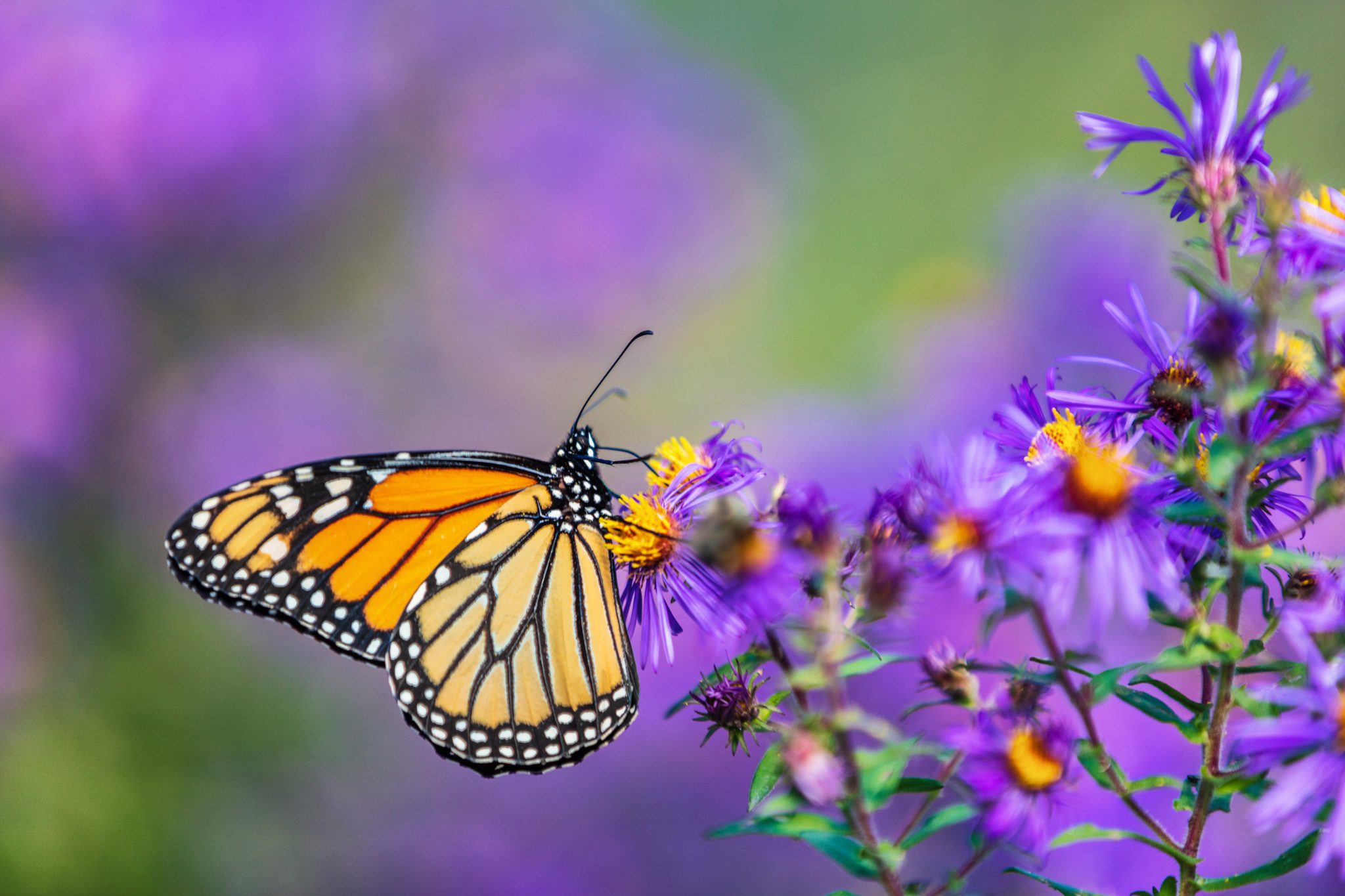
Did you know that National Learn About Butterflies Day here in the U.S. is on March 14th? We think it is so cool when there are days set aside to appreciate the creatures of this world, and there’s no better place to do it than here in Alabama, where biodiversity is beautifully vast!
Today, we’re here to celebrate and admire butterflies for this special occasion by sharing fun facts about them!
Five Fun Facts About Butterflies
1: There are Around 100+ Species of Butterflies in Alabama
Since Alabama is ranked #4 in the U.S. for biodiversity (number of total distinct species of animals, plants, fungi, and other organisms), it’s actually no surprise that Alabama has so many species of butterflies.
Butterflies are scientifically classified in the order Lepidoptera. Although entomologists (insect biologists) in Alabama make a decent estimate every couple of years about how many there are here, it’s hard to pinpoint the exact number.
There are many reasons why we don’t know the exact number, but here are some factors that we predict contribute to it:
- There may be butterfly species dwelling undisturbed in conservation areas, so they’re less likely to be seen.
- Some butterfly species have lower populations than others.
- Ecosystems throughout the state (and worldwide) are constantly changing due to natural events like weather and seasonal shifts, as well as human activity and construction-related habitat loss, destruction, and displacement.
- In rare cases, closely related species can naturally interbreed, resulting in new native species that are not yet fully identified.
- Some non-native butterfly species may not yet have been documented locally due to arriving from other regions only recently.
2: Butterfly Groups Have a Cute Name
Entomologists (bug biologists) have something like a habit where they call groups of insects adorable or interesting things. As we’ve said before, a group of ladybugs is called a “loveliness!”
Continuing this trend, the name for a group of butterflies is a flutter! So, next time you see a cluster of butterflies flutter by, you’ll know they’re also called a flutter!
3: Butterflies See Things Humans Can’t
UV light isn’t visible to us, as humans, because our ocular lenses absorb it before it can reach our retinas to protect them from harmful exposure. Butterflies, however, can totally see UV light! They actually have 17,000 tiny eyes, meaning they see a much broader color spectrum. This helps them spot colors on flowers (that we can’t) to locate nectar to eat.
4: Butterflies Embody “Old School Cool.”
You’re likely aware that butterflies have been a decorative motif and artistic symbol for many cultures for a very long time. They are beautiful, and their metamorphosis from humble caterpillar to gorgeous butterfly is an inspiring metaphor.
But did you know that butterflies have inspired artists for thousands of years? Archaeologists and historians have discovered detailed images of African Monarch butterflies painted on frescoes and tombs 3,000 years ago in Ancient Egypt! To us, that’s an indication that butterflies never go out of style!
5: Some Chrysalises Can Make Predator-Deterring Noises
Some butterfly species have evolved a unique predator-deterring mechanism: sensing threats outside their chrysalises and wiggling to make noise! These noises often confuse and scare off predators, keeping the butterflies safe and sound while they resume their pupa stage of development.
Why Would a Pest Control Company Celebrate a Bug?
It may surprise you, but we at Vulcan Termite, and many other pest control experts, have a deep appreciation, genuine interest, and love for learning about all kinds of insects! Preventing harmful pests from causing problems on human property is not the same as unethically killing harmless bugs out of fear, boredom, or cruelty—we don’t do the latter.
Some butterfly species can indeed be pests (especially invasive species), with their enormous appetites during the caterpillar stage that sometimes drive them to devour essential food and textile sources (in gardens/commercial crops) before we can use them. In those cases, we implement some deterrent methods. However, adult butterflies are beneficial insects that are crucial for pollination, which is how we can grow and produce the food and textile sources we use in the first place.
All in all, we can proudly say that we love butterflies; we’re glad to have them around!
What’s your favorite butterfly? For us, it’s tough to choose. Still, you can never go wrong with classics like Alabama’s TWO gorgeous state butterflies, the Monarch Butterfly (Danaus plexippus) and the Eastern Tiger Swallowtail (Papilio glaucus).
Thanks for reading today’s article from our pest blog! We don’t just talk about pest control—we also write tons of fun blogs like this one, where you can learn about all the incredible biodiversity Alabama has to offer. Check back in here with us every week for fresh new content, or look at past posts to see all the critter-related knowledge we’ve shared over the years.