

How to Bring Plants Inside Without Bugs: Tips and Guidance for Relocation
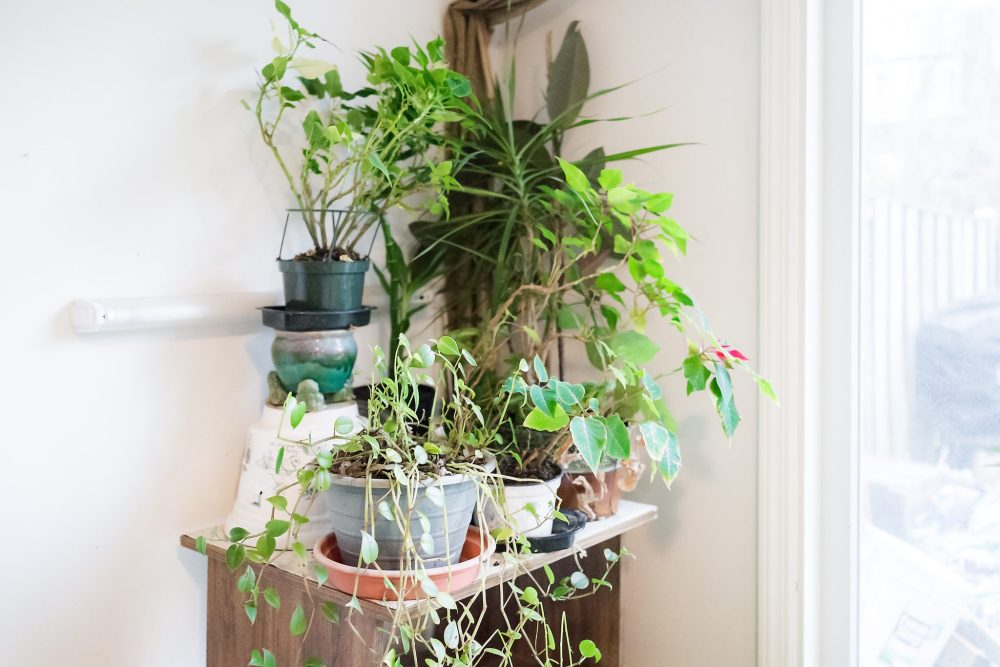
New houseplants from a home and garden store. Houseplants that, after spending the summer (or the sunnier part of a day, in any season) outdoors to get more direct sunlight, need to come back inside during fall to prepare for winter. These are just a few of the many situations where you may need to introduce a plant to an indoor environment, and it’s safe to say that bugs like spider mites, gnats, and thrips are rarely welcome to hitch a ride inside during the move-in process.
In this blog, our integrative pest management specialists will teach you how to bring plants inside without bugs.
How to Bring Plants Inside Without Bugs
It is incredibly common for houseplants to harbor bugs without continued preventative care, especially if they’ve been outside for a while or you just purchased them from a home and garden store. The presence of bugs doesn’t mean your plant needs to be discarded or that you can’t ever bring it indoors—it just means you need to thwart the bug problem.
Step 1: Wash Your Plant
The first thing you need to do before bringing your plant in is give it a good wash.
How to Wash Your Plant
Gather a large tub or bucket, mild dish soap, water, a soft cloth or sponge, and a brush to complete the plant-washing process:
- Soak
Submerge your plant (pot included) in soapy water (with mild insecticide soap) for 15–20 minutes to kill pests.
- Clean
Wipe or spray exposed leaves and remove any floating debris.
- Rinse
Scrub your pot and rinse the plant thoroughly with clean water.
- Drain
Let excess water drain completely from your plant and allow your pot to dry.
Step 2: Plant the Washed Plant in Fresh, Clean Soil
Once your plant is clean and free of excess water, plant it in a clean, dry pot with fresh soil. The soil your plant was in before washing needs to be discarded to ensure no pests are lingering and no plant-attracting fungus is present.
Step 3: Treat Your Plant
Fungus is one of the most common causes of bug infestations in plants. Although using fresh soil should help ensure it isn’t harboring fungus, your washed plant may still carry fungus, as insecticidal soap and water aren’t fungicides.
You can treat the plant for fungus by spraying it with Neem oil or a copper fungicide, both of which are natural and safe for plants. Start the process by spraying it lightly from your plant’s roots to its leaves before planting in soil; you only have to do this once. Then, after you add your plant to the soil, you’ll follow a specific in-pot spraying routine for a week or two.
The Routine: When your plant is in soil, spray it every day while it’s isolated (that’s 7-14 days), which we’ll explain further in the next step. Do this by spraying your plant with your chosen fungicide from the base of the stem to the leaves, coating every part above the soil until it is dripping with excess liquid. You can also spray the soil surface and stir it up a bit to ensure it’s well combined.
Step 4: Isolate Your Plant
While you’re treating your plant with fungicide, isolate it from other houseplants by placing it in another room for at least two weeks. This ensures that any lingering pest and fungus issues don’t transfer to your other plants (and eventually transfer them back to your newly washed plant).
Step 5: Enjoy Your Plant Indoors, Bug- and Fungus-Free
After a week or two of fungus treatment and isolation (while also ensuring your plant gets the specific amount of sunlight and water it needs), your plant should be ready to live indoors without bugs or fungus.
Sometimes it is necessary to take further steps for pest control on your plants, as they can also develop problems indoors:
- Place a “mosquito dunk”—which contains Bacillus thuringiensis israelensis, a bacterium—in your watering can, then add water and water your plants as you usually do. This is a brilliant biological pest control method using beneficial bacteria. You can water your plants with mosquito dunks in your watering can daily without harming them, and it will stop gnats, flies, and mosquitoes from reproducing in your plant soil by killing their eggs and larvae.
- Sprinkle diatomaceous earth powder on the surface of dry soil, the rim of your pot, or other places around your plant (just not on your plant, please), which kills bugs that land on it. Diatomaceous earth is a dessicant, meaning it kills insects by dehydrating their bodies within 24–48 hours of contact. Just be sure that the powder stays dry, or else it won’t work. If you use this method on top of your soil, it will remain effective until you water your plants again, and you’ll need to wait until the soil dries on top before reapplying.
Keep Your Home and Plants Bug-Free in Birmingham
Another great way to prevent indoor pest problems (which can become houseplant pest problems) is to hire an indoor pest control professional to perform preventive maintenance and regularly apply preventive treatments (e.g., spraying home-safe pesticides).
For families in Birmingham, Vulcan Termite and Pest Control Inc. are the pros to trust for effective indoor pest control. For over 40 years, we have gladly served the people of Birmingham and across central Alabama, knowing they can rely on us to eradicate all traces of pests and implement effective solutions to prevent them from returning. Contact us whenever you have a pest problem, and we’ll be there ASAP to quickly resolve it!
Thanks for reading today’s article from our pest blog! To learn more essential pest control and prevention tips or to discover all the incredible biodiversity Alabama has to offer, check back in here with us every week for fresh new content, or look at past posts to see all the useful pest and critter-related knowledge we’ve shared over the years.